
PART TWO · WHAT’S BEING BUILT
The full public-space experience of a historic downtown, read through four lenses.
A streetscape project at this scale touches every part of how downtown feels and functions. The scope can be read through four lenses — each one a different angle on the same project.
Public space experience — cleanliness, safety, hospitality.
The grant is primarily about making downtown more walkable and connecting historic downtown spaces to the waterfront and beyond.
→ Accessible ramps, crosswalks, stop bars, stop signs
→ Paving alternatives at Strand intersections
→ Curb and gutter repairs
→ Pedestrian sheltering structures — shade and rain protection
→ Wake-break devices — reduce car-created wakes during floods, double as rest areas
→ Tree preservation, planting, irrigation, site furnishings
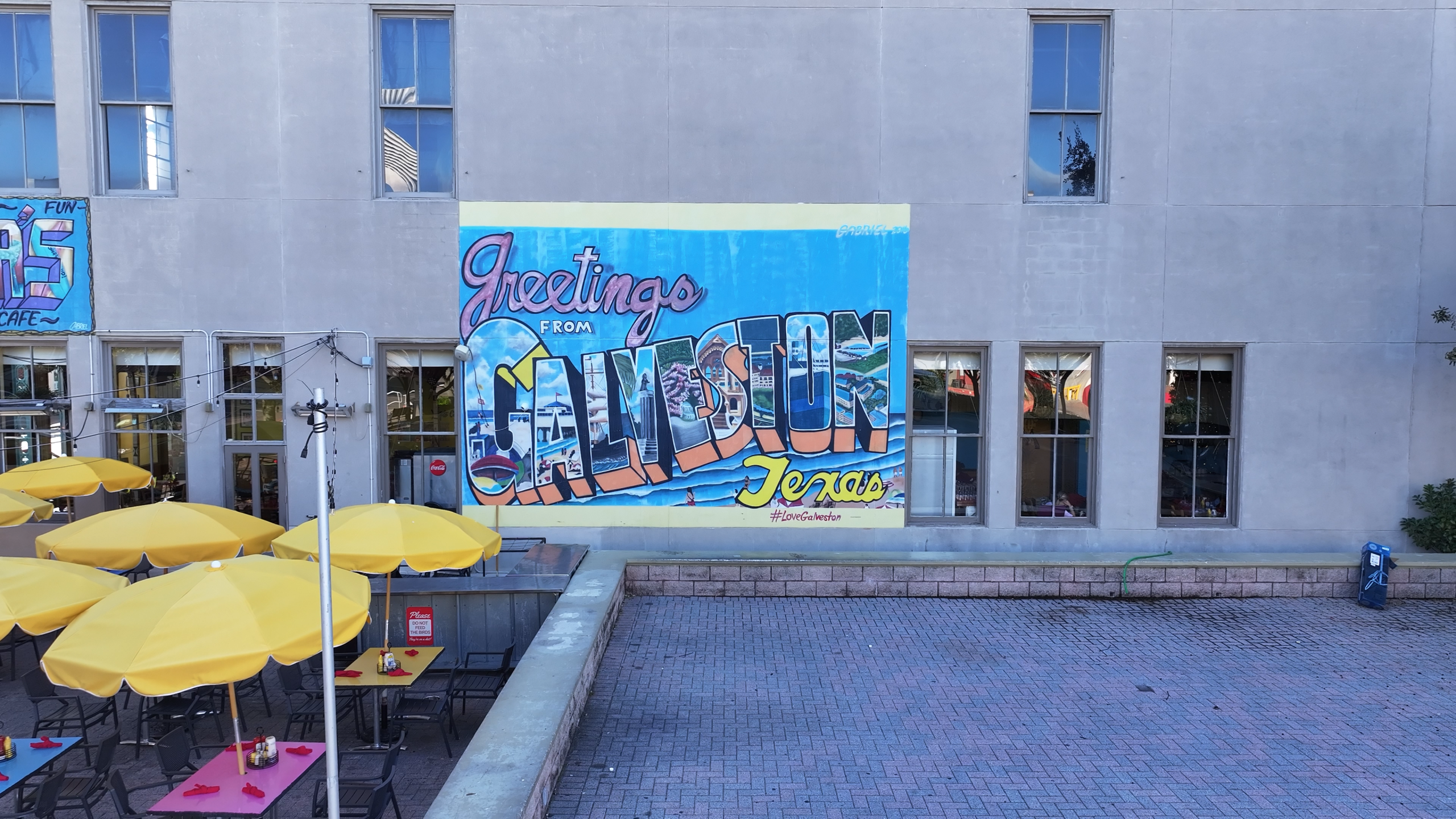
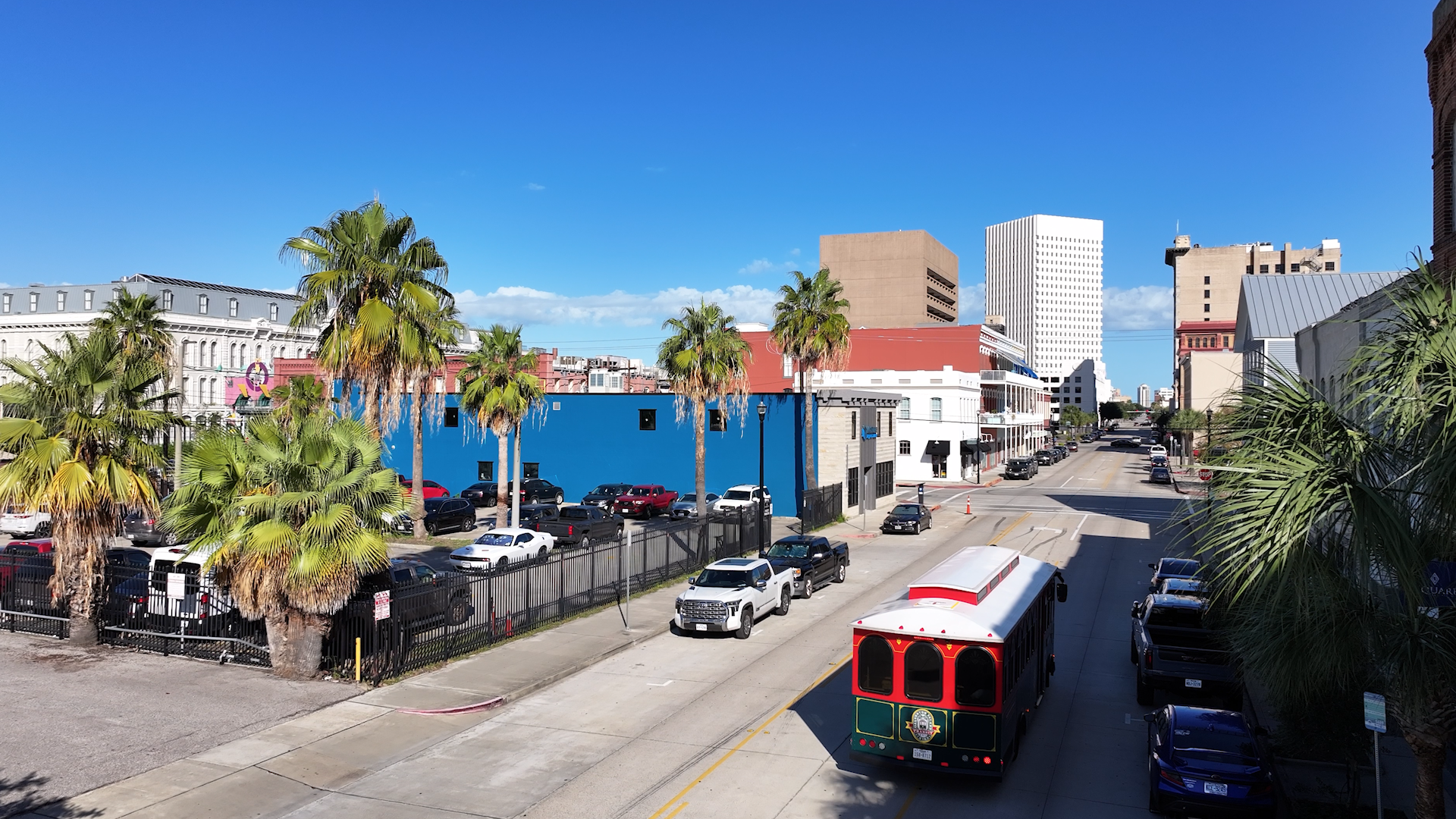
→ Protected on-street parking on key streets
→ Enhancements to existing bus and trolley stops
→ Three trolley switch repairs at Strand & 20th — one electric, two spring
→ Power for the electric trolley switch
Note: does not include permanent barriers, raised bike lanes, or extensive roadway reconstruction.
→ Special event lighting and power for events and vendor booths
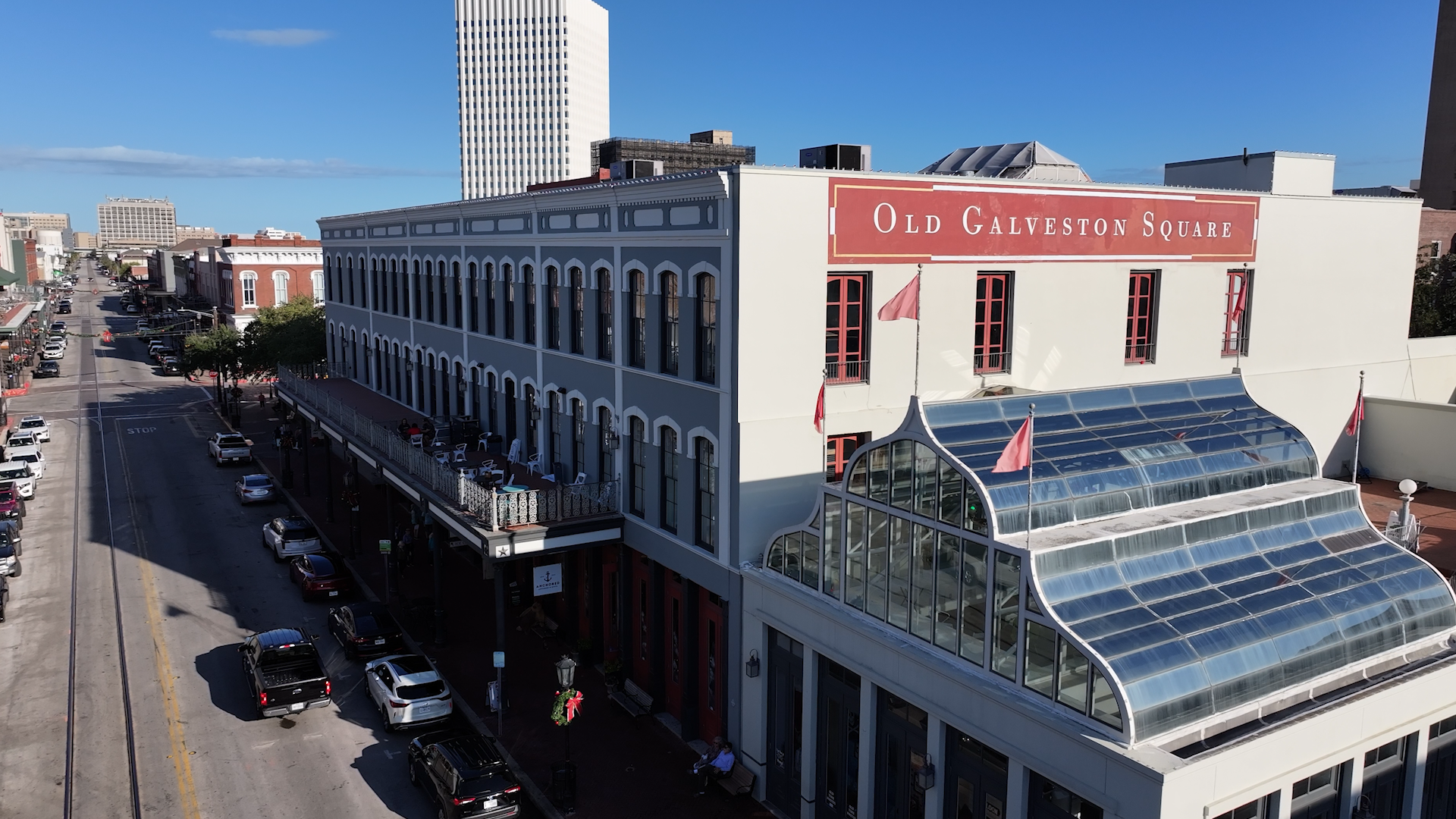
→ Catenary / festoon lighting on Post Office Street (19th to 23rd)
→ Tree uplights and holiday lighting
→ Parking kiosk power to keep existing kiosks operational
→ Storm water pollution prevention plans where necessary
→ Bioswales and rain gardens
→ Tree preservation, protection, and removal
Note: does not include new storm sewer or extensive utility work.
New storm sewer infrastructure. Drainage work is limited to intersection-level improvements.
Larger bikeway infrastructure. No permanent physical barriers, no raised bike lanes.
Extensive roadway or utility reconstruction. Curb/gutter and pavement in scope; deeper roadwork is not.
Traffic, noise, and air quality analysis beyond the Categorical Exclusion level.
Wetland and stream delineation, Army Corps permits, Coast Guard permits.
Implementation of seven supplemental trolley switches (assessment only).