
PRIORITIES · DOWNTOWN–PORT MOBILITY STUDY
A joint City and Port study is underway — and historic downtown sits right in the middle.
The Cruise Industry has done a good job of getting people onto cruises, but has not looked at how that traffic affects our city. The Downtown–Port Mobility Study is the most comprehensive look at how we move through our neighborhood since the early 2000s. It will shape parking, pedestrian safety, cruise traffic, and downtown transit for the next decade. Consultant selection is scheduled for late April. Public input follows. Here’s what’s happening, what’s in scope, and how to be heard.
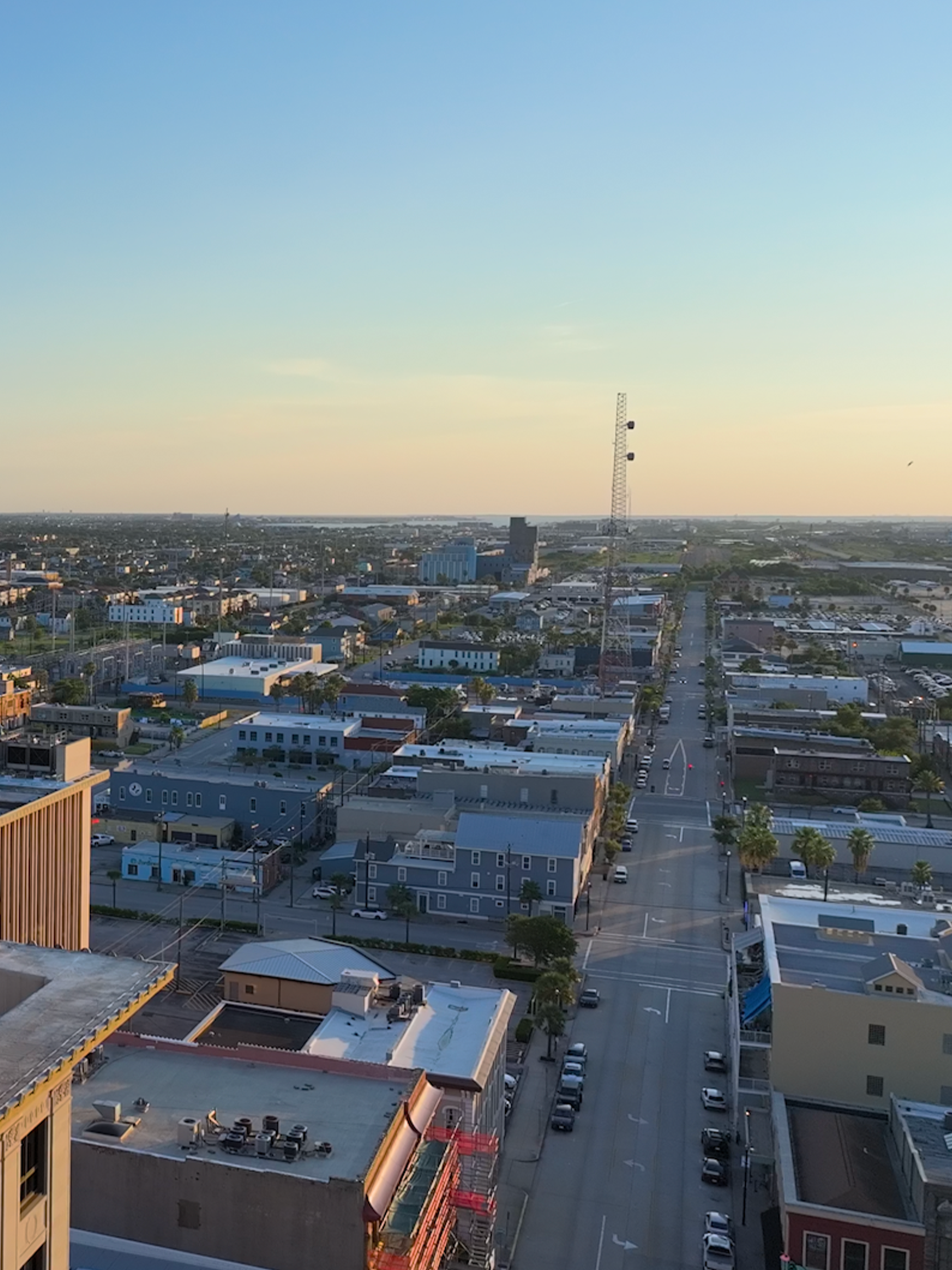
The Board of Trustees of the Galveston Wharves and the City of Galveston are jointly commissioning a Downtown–Port Mobility Study. It covers the area from 14th Street to 33rd Street and includes Cruise Terminal 10, Harborside Drive down to Church Street — the full historic downtown footprint together with the cruise terminals and the East End. The stated goal: mitigate the adverse effects of traffic on the Central Business District and adjacent neighborhoods, improve pedestrian safety, and make downtown more accessible during peak port operations.
Parking gets its own deep dive. Several downtown garages run well below capacity most days. The study will recommend how to make that underused capacity available to residents and workforce at affordable rates, how to set demand-based pricing.
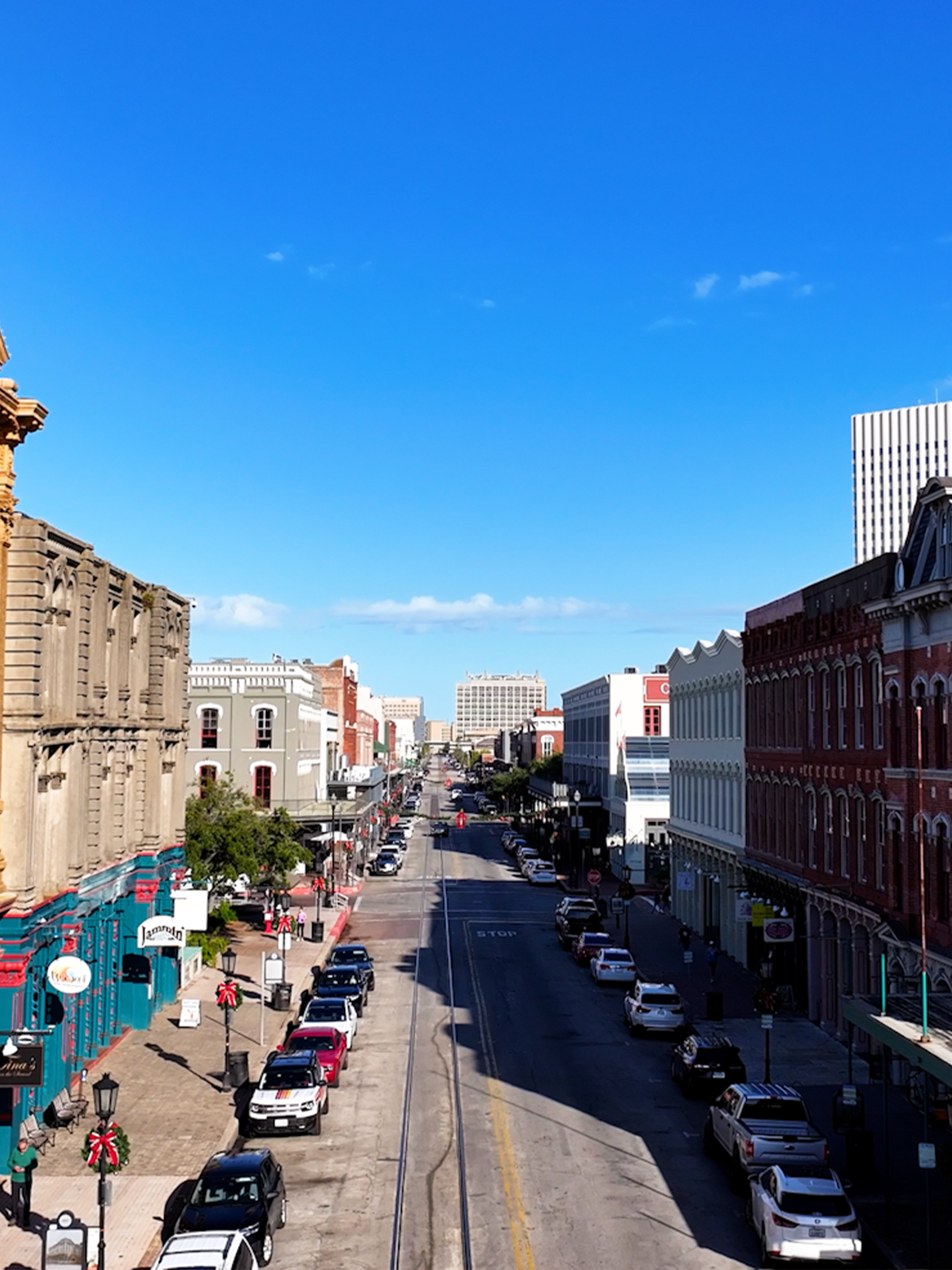
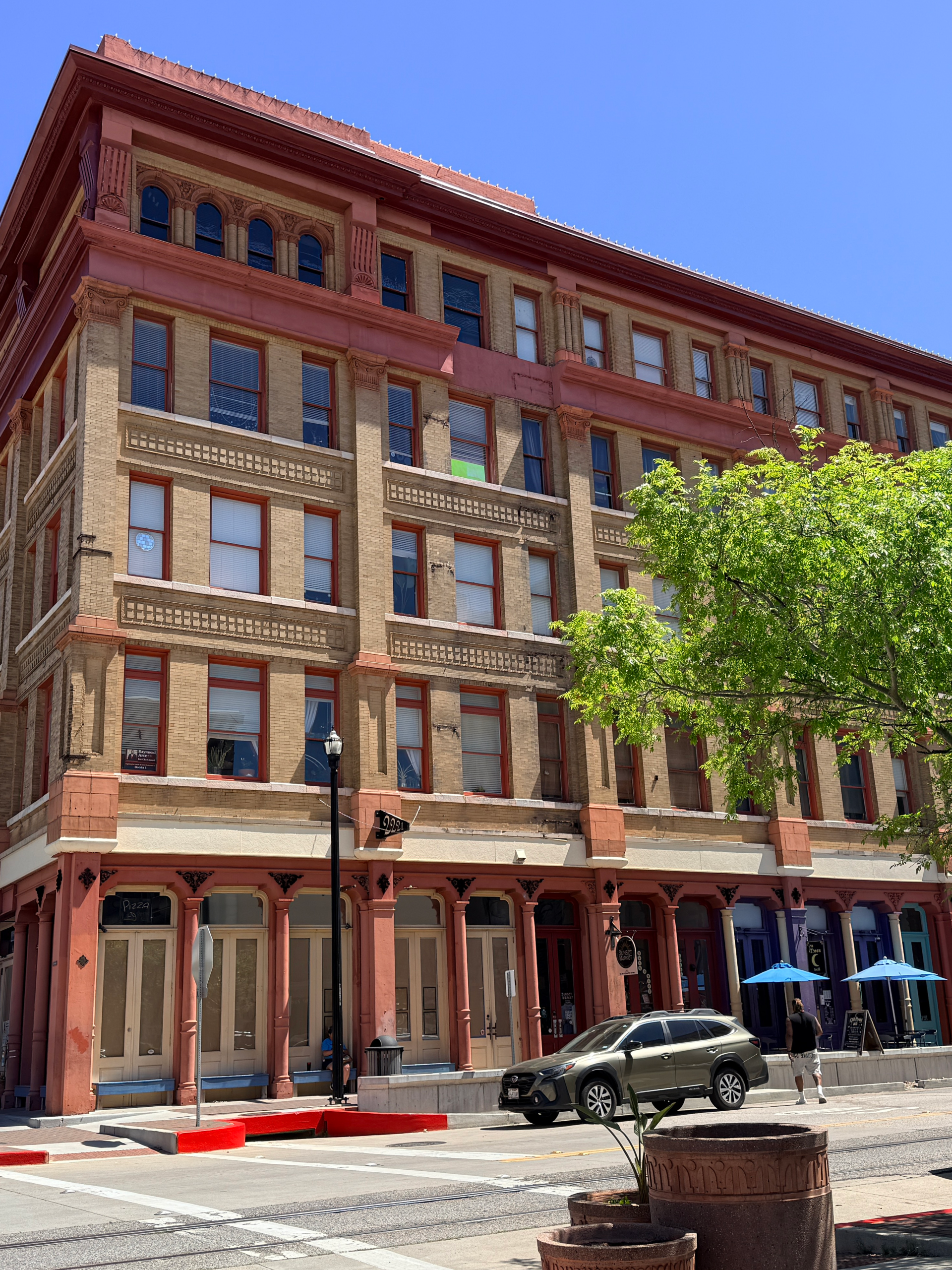
Every resident, merchant, property owner, and regular downtown visitor has a direct stake in how this study turns out. Done well, the next decade could bring safer Harborside crossings, a reliable trolley workers can count on for lunch and back, and a cruise terminal that doesn’t swamp the Strand on peak days.
Data has to come first, and that starts with demand. We need to know who actually parks downtown and where they’re going (residents, shoppers, restaurant patrons, workers, merchants, cruisers) — because rates set without that data are just a guess. Then supply, counted honestly across curb, lot, garage, private, and public, with the five half-empty downtown garages treated as the central question they are, not a footnote. The study has to look at whether city property could be put to work as worker satellite parking with a shuttle into the core, and whether the alternatives already on paper — bus, circulator, micro-transit, Uber, bikes, scooters — are actually being used or just listed on a map.
From there, the deficit gets quantified, tied to specific destinations, and projected five to ten years out with cruise expansion factored in. Best-practice benchmarking against comparable cities — smart sensors, dynamic pricing, platforms like Clever City — keeps Galveston from reinventing wheels other downtowns have already turned. Fees and financing get modeled across user types so a worker, a resident, and a cruise passenger aren’t priced as the same customer. And the regulatory environment — special parking districts, LDRs, permits — gets a clear-eyed review so the recommendations can actually be implemented instead of dying on contact with the code already on the books.
The Real Estate Committee, working with the Wharves Board’s master-plan consultant, finalized a draft scope of work that included downtown parking analysis and stakeholder engagement — parking was added into the scope by CM Bob Brown.
Sealed submissions were received and opened at Port headquarters. A selection committee of Port and City staff evaluated each response against criteria for experience, capability, innovation, and methodology.
The Real Estate Committee meets to review the selection committee’s recommendation and advance a single firm to the Wharves Board and City Council for approval at their May meetings. The selected firm will lead the full study.
The study area draws a line around the Central Business District, the East End, the cruise terminal complex, and every major north–south corridor downtown uses to move people and goods. Roughly 300 acres. Every block of historic downtown falls inside it.
North boundary · Harborside Drive
From the cruise terminal complex west to 33rd. Includes all terminal frontage, Pier 21, and the waterfront pedestrian corridor.
South boundary · Church Street
Covers the historic commercial blocks along the Strand, Mechanic, Post Office, and Market — the heart of downtown.
East boundary · 14th Street
Picks up the East End Historic District edge, recognizing the residential neighborhood directly adjacent to downtown activity. Includes Cruise Ship Terminal 10.
West boundary · 33rd Street
Extends west of the Port to capture the full operational footprint and the corridors feeding it.
This page will be updated as the process moves. Sources: Port of Galveston RFQ 2026-003 (issued February 15, 2026), Joint Wharves Board / City Council Workshop (April 23, 2026), Real Estate Committee proceedings. Questions to contact@historicdowntowngalveston.com.